Tips for User Testing your physical prototype - Yanko Design
Nosotros all know how hard it is to create a beautiful prototype and so find out numerous niggling alterations that need to be washed in it. It's truthful, we do fall in love with our project and may end up spending a lot of fourth dimension creating those finished, Pinterest and Instagram-inspired prototypes while actually forgetting the near important reason of creating a prototype – testing! Keeping software-based user testing aside, the 5 tips beneath past Jennifer McCormick gives u.s. a checklist to test our prototype effectively.
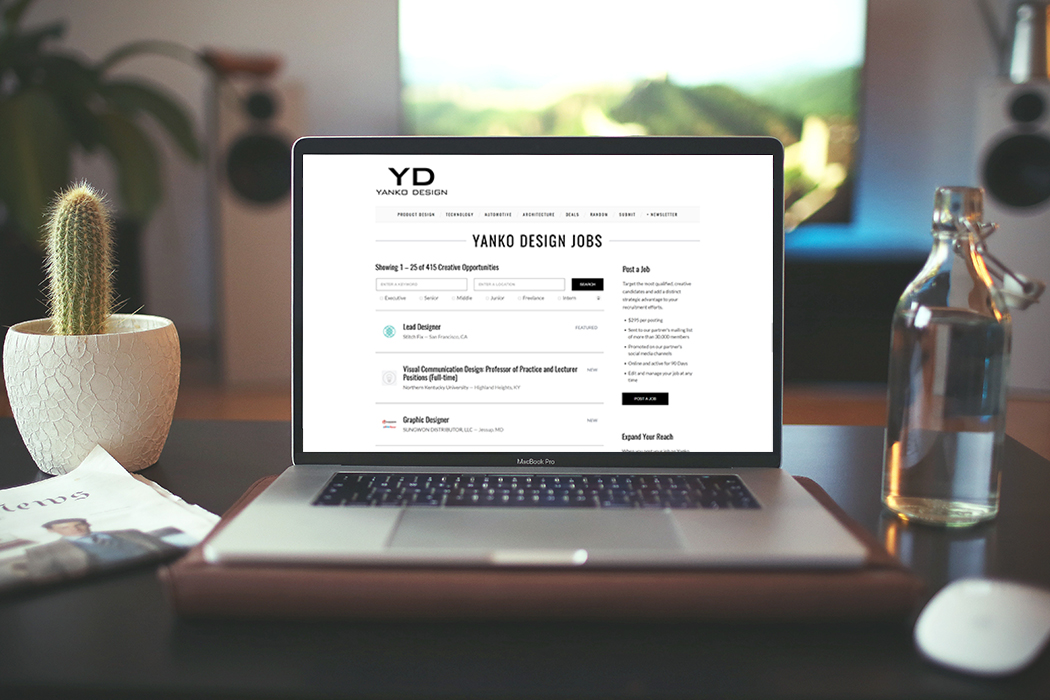
Recruiting a designer? Mail service a job with us to source the best talent for your requirement.
Looking to switch over to a freelance career? Check out YD Chore Lath to work with some of the best design companies in the world!
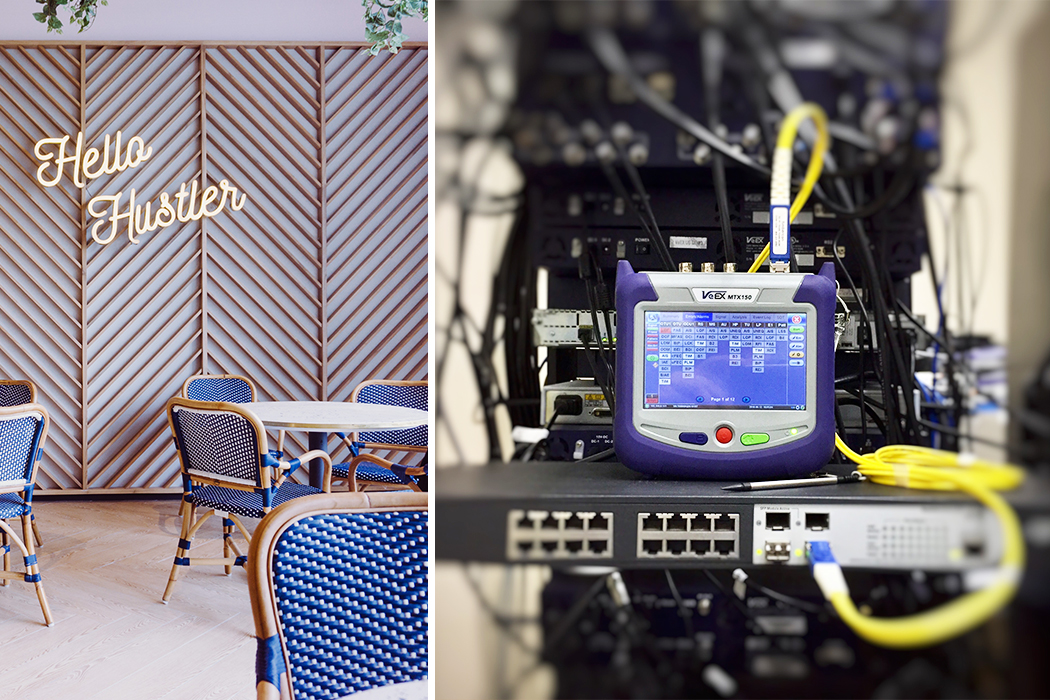
About hardware-focused startups have merely one chance to build a production that users will value, bask using, and adapt to their lives. If a user has difficulty using a new device or isn't able to seamlessly integrate it into her life, chances are it will end up in the habitation 'electronics graveyard', banished to the closet or basement to live with the onetime stereo, first-generation iPads, and CDs.
No hardware squad has time for that.
It's common knowledge that building a connected, fully functional, useful, and beautiful device is extremely hard to do. Unlike app and spider web development, building hardware is fraught with existent manufacturing obstacles and painful cost and pattern tradeoffs due to product size, sensors, housing, and other necessary material constraints. Just if you lot are able to capture users' attention, excitement, and date with your debut product, you'll gain the momentum required to go on on to develop your second and third generation hardware products.
Teams who test their product ideas, concepts, and designs with users early on gain serious reward over those who do non. These teams identify their product's cadre focus and experience earlier, salvage fourth dimension and money from re-works and re-builds, minimize waste, and maximize a product's chances of success with consumers the first fourth dimension around.
I'g excited to share with you a surprisingly like shooting fish in a barrel and cost-efficient fashion to test your product with users earlier you lot tackle those tough hardware manufacturing hurdles! And it doesn't take a lot of time or money, just a little elbow grease, getting out of your office, and leveraging some research know-how.
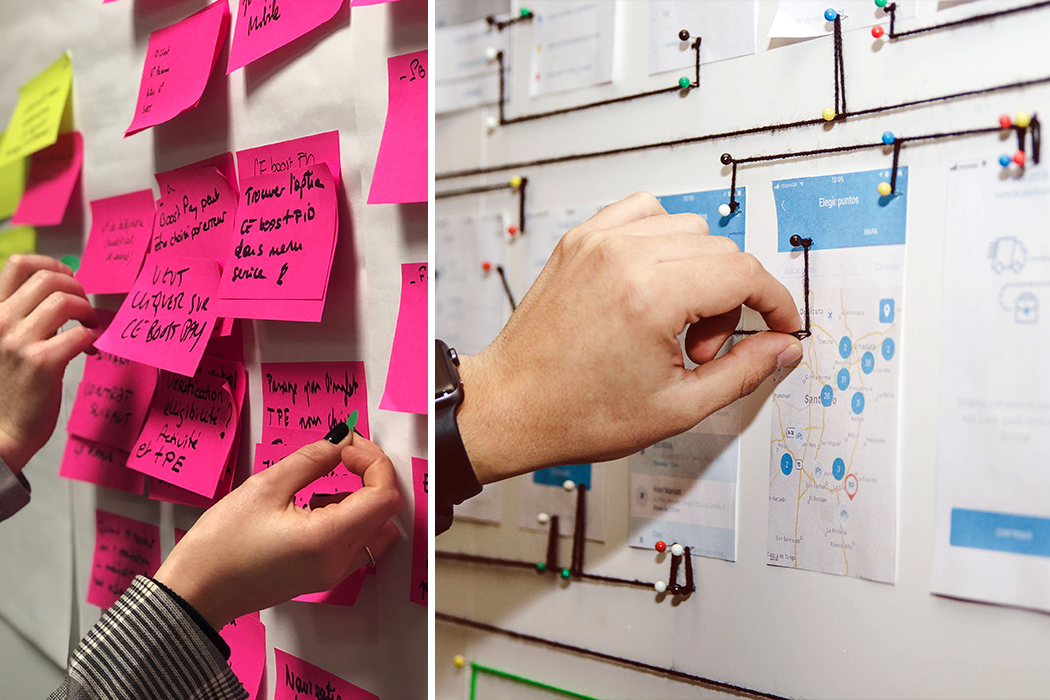
Tip #ane Plan ahead to practice just ane–2 days of interviews 'in the wild'
Starting time, plan at to the lowest degree 2 weeks ahead to be out of the office and in the 'real world' for 1–two days gathering feedback from your users. You will need this prep fourth dimension to brand certain your minimum viable product, prototype, or concept is ready to share and representative of what you plan to ship. Y'all will besides need this time to notice, recruit, schedule, and confirm your testers (this can be tricky, but don't worry I'll give you some ideas for how to do this part as well).
Tip #2 Recruit just half dozen potential users, focusing on their behaviors
Recruiting the right users for testing is often the biggest obstacle to getting the user feedback you lot need. I admit — this is the thing that holds me upward the nearly when I'm trying to do my own research. It's really difficult to notice people who are willing to lend you their time. And a potential tester pool becomes even smaller if your product is targeted toward people with specific interests, activities, family unit or household structures, locations, etc.
My advice to teams who are getting started with user enquiry is to brand it easy on yourself and start by recruiting among the people you have access to — your network of colleagues, friends, and family unit, using email and social media.
In the research field, this is called 'convenience sampling'. Information technology'due south a real sampling methodology that is aptly named. Definitely, don't allow the idea of 'biasing' your participants hold you back hither; there's a fashion around that.
When you lot create a call for participants, make sure to screen potential testers based on their authentic personal behaviors, activities, and interests, non based on their the human relationship to you, demographic details, availability, or level of interest in doing research. Doing so volition enable you lot to get authentic and helpful feedback on their interaction with your product, remove the recruiting obstacle, and help minimize what is often referred to as 'bias' in tester feedback.
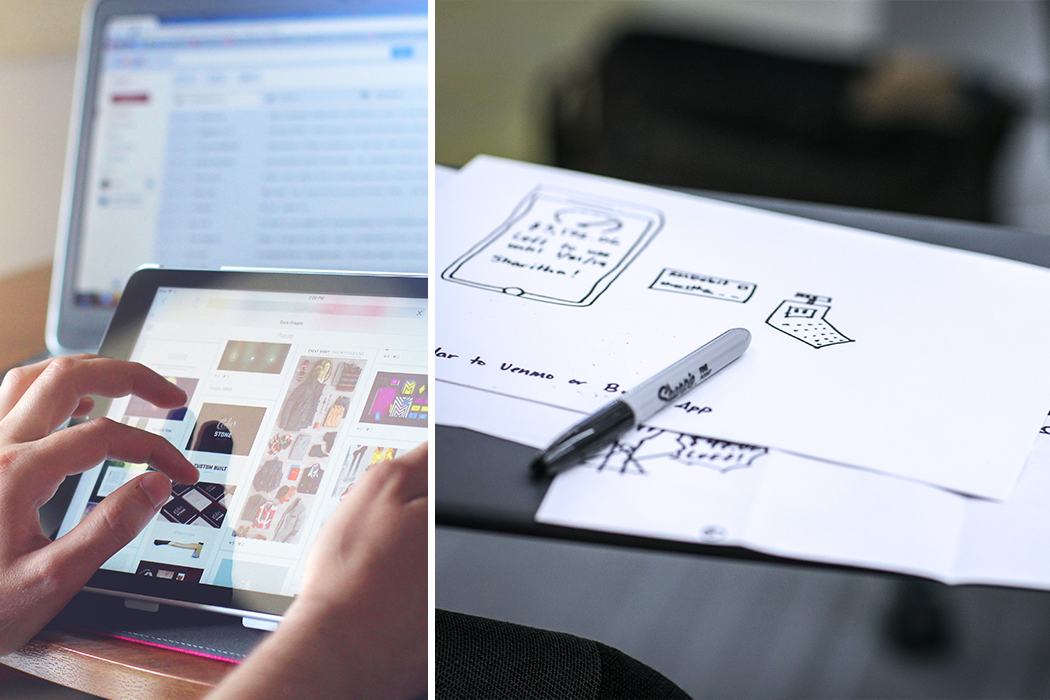
Tip #iii Get depression fidelity: think props, screenshots, and storyboards of your product
You don't need to have a fully formed product or MVP (minimum feasible product) to first testing with users. In fact, it's better if y'all don't! Remember, yous want to assemble user feedback as early as possible, while yous are still flexible plenty to make the grade, the features and design experience the style users need it to be.
To set your hardware product for testing with users, create both a prop that acts equally a representation of the concrete form factor and a set up of sketches, screenshots, images and/or storyboards that represent what your total product experience will somewhen be and feel like.
To attain this, yous can use a 3D printed model for the physical prop and low-cost prototyping tools such Mail service-it notes, InVision, cease-motion animation, and/or various other gratuitous online storytelling tools to create any UI'southward and context.
Tip #4 Ask users to testify you, not tell you lot
Once you decide what prop, image, or storyboards yous'll show to users "in the wild," y'all want to commencement nailing down the interview protocol, or exactly what you lot'll ask testers. These interviews volition act every bit your testing 'data' and company intellectual holding.
Here is an case of a cursory interview protocol that I often propose to hardware teams:
- Meet testers in the context of where your product will be used (habitation, park, role, etc.).
- Start past giving users a quick 1–2 phrase introduction on what the product idea is and does.
- Gather initial impressions of the concept.
- Introduce the prop or hardware prototype.
- Take users imagine that the prop is fully functional and get their initial feedback on where they might place information technology and how they might interact with information technology.
- Enquire users to show you how they might practise iii–four tasks or activities using the prop, introducing the screenshots and storyboards to fill up in the gaps of the product feel where needed.
Throughout your interview, focus on one goal:don't ask users what they think, accept them show you what they would do. This arroyo is the secret to getting the data and insights you need for your hardware-specific product — and why yous fabricated that prop prototype and proof of concept to take out to the world in the first place!

Tip #five Wait for the biggest patterns (and standouts besides)
Once all your interviews are complete, review all the feedback and look for the biggest patterns in perceived usefulness and usability. Pay close attention to where your production may currently fit in and not fit into users' lives, giving yous a window into possible patterns (and obstacles) for adoption.
This should be a relatively quick process, as enquiry has shown that the almost pervasive usability obstacles will present themselves within 5–8 user tests. If you don't see a articulate pattern you tin can add interviews in increments of 2 or three, or re-focus, iterate, and re-test.
If you happen to catch some standout feedback, that's great as well. Information Theory tells us that random variables are packed with valuable information, so use any unique data and insights you get together towards novel product ideas & directions.
You Got This
Now you accept the know-how. You have what y'all need to go test your production with users and get that time-and-money-saving feedback you lot need to make a production that resonates with users — the showtime time around.
YD'south endeavor is to increase efficiency past connecting employers to their ideal candidates. Yanko Pattern has curated industrial blueprint followers for the past 15+ years, and we know these are the best match for your company. To recruit at present, post a job with us!
The original write up by Jennifer McCormick here.
brobstthismillond1946.blogspot.com
Source: https://www.yankodesign.com/2019/03/27/tips-for-user-testing-your-hardware-project/
0 Response to "Tips for User Testing your physical prototype - Yanko Design"
Post a Comment